Edited on 2nd July 2026

8 Everyday Habits That May Help Reduce Period Discomfort Naturally

Period pain can interrupt work, study, social plans, and even simple daily tasks. While there's no single solution that works for everyone, some everyday habits may help support your body and make each cycle a little more manageable.

The important thing to remember is that these aren't miracle cures. Many women still experience cramps despite eating well, exercising, and taking care of themselves. The goal isn't perfection—it's building small habits that may help reduce discomfort while giving yourself more ways to stay comfortable when cramps arrive.

1. Stay Hydrated

Although it sounds simple, drinking enough water throughout the day may help reduce bloating and support your body's normal functions.

Some women find that staying hydrated makes them feel more comfortable during their period, especially when combined with other healthy habits.

Simple tip:

Keep a reusable water bottle nearby and sip consistently rather than trying to drink large amounts all at once.

2. Gentle Movement

When cramps strike, exercise might be the last thing you feel like doing.

But light movement—such as:

  • Walking
  • Gentle stretching
  • Yoga
  • Easy cycling

may help some women feel less stiff and improve overall comfort.

The key isn't an intense workout. Even ten or fifteen minutes of gentle movement can be enough.

3. Prioritise Sleep

Your body is already working hard during your menstrual cycle.

Getting enough quality sleep can help support recovery and may improve how you cope with discomfort throughout the day.

Aim for:

  • Consistent bedtime
  • Cool, comfortable room
  • Limited screen time before sleep

4. Eat Regular, Balanced Meals

Skipping meals can leave you feeling low on energy, especially during your period.

Try to include:

  • Protein
  • Whole grains
  • Fruit and vegetables
  • Healthy fats

A balanced diet supports overall wellbeing—even if it doesn't eliminate cramps.

5. Manage Everyday Stress

Stress doesn't cause periods, but many women notice they feel less able to cope with discomfort during particularly stressful weeks.

Simple habits like:

  • Deep breathing
  • Reading
  • Journaling
  • Taking short breaks
  • Listening to calming music

may help you feel more relaxed.

6. Use Heat Where You Need It

Heat therapy has been used for years to help ease menstrual cramps.

Warmth may help relax muscles around the abdomen, which is why many women reach for:

  • Hot water bottles
  • Heating pads
  • Warm baths

The challenge?

Most traditional heat options work best when you're sitting still.

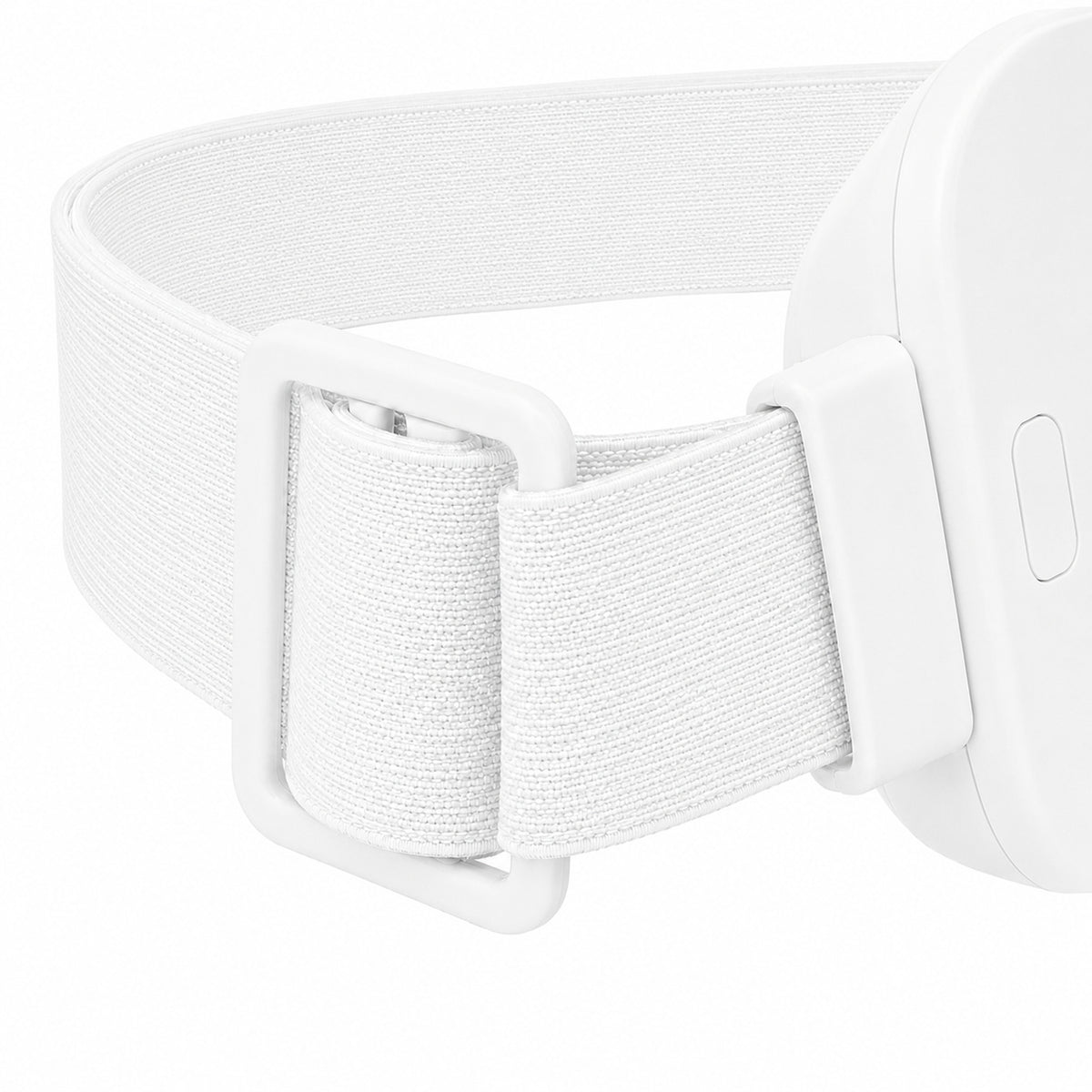
If you still need to work, study, commute, or run errands, a wearable heat device can help you continue your day while enjoying consistent warmth.

7. Listen to Your Body

Some months feel different than others.

If you're exhausted, give yourself permission to slow down where possible.

If you have energy, gentle movement may feel good.

Learning what helps your body each month is often more valuable than following strict routines.

8. Build a Comfort Routine

Rather than relying on one solution, many women find comfort in combining several small habits together.

For example:

✔ Staying hydrated

✔ Taking a short walk

✔ Using heat therapy

✔ Wearing comfortable clothing

✔ Getting enough rest

Small improvements can add up.

Final Thoughts

Period discomfort looks different for everyone, and what works for one person may not work for another.

Healthy habits can support your wellbeing, but they aren't always enough on their own. That's why many women also choose practical tools that fit into everyday life.

My Period Comfort™ was created for exactly that purpose.

Instead of being tied to the couch with a heating pad, our wearable heat and massage belt is designed to move with you—helping you stay comfortable whether you're working, shopping, studying, or simply trying to get through the day.

Because relief shouldn't mean putting life on hold.

References

NHS Period Pain

National Health Service

Mayo Clinic - Periods

Mayo Clinic

Back to blog

Leave a comment

Please note, comments need to be approved before they are published.